 Tres Rios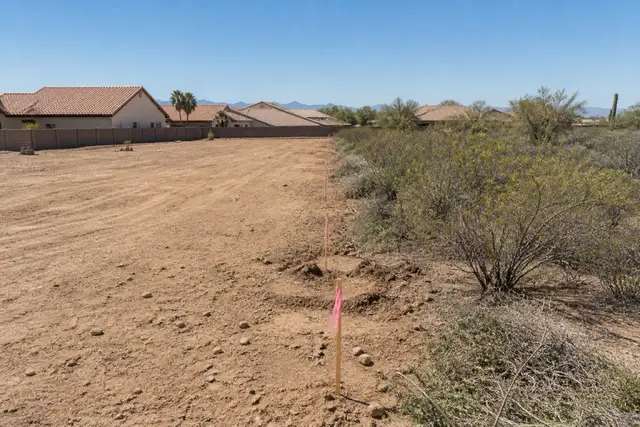
Tres Rios Land Clearing connects Avondale property owners with a local land clearing contractor for lot clearing in Avondale and the surrounding West Valley communities.
Avondale counted 89,334 residents in the 2020 Census and the subdivisions have not stopped since, which keeps a steady supply of infill lots, splits, and custom homesites moving toward construction. Lot clearing is the step between raw parcel and buildable dirt: every unwanted plant out by the roots, surface rock and old debris gone, and the ground left clean enough that the grading contractor is not fighting buried root balls a month later.
Desert lots hide their own obstacles. Decades of illegal dumping happen fast on vacant West Valley parcels — mattresses, shingles, concrete chunks — and all of it has to be sorted from the green waste for disposal. Old caliche-set fence posts, abandoned irrigation pipe from the land's farming past, and buried concrete from a demolished outbuilding are routine finds between Dysart and Jackrabbit. A grapple machine and a dump trailer handle the mix without turning your job into a dozen change orders.
The regulatory piece is dust. Disturbing more than a tenth of an acre of soil in Maricopa County puts a project under fugitive-dust rules, and a full lot clear almost always crosses that line — so water is on site, track-out gets managed at the street, and the permit question is answered before machines mobilize rather than after a complaint. It is one more reason lot clearing here is a contractor's job and not a weekend rental.
What "ready for the pad" actually includes
Cleared and buildable are two different claims about a lot. The clearing scope that saves money downstream takes vegetation out at the root crown, not the surface; pulls stumps and major roots rather than grinding them flush; and strips organic debris off the footprint so the pad builder compacts native soil, not buried brush. Where the parcel carries protected natives, the scope also documents them — Arizona's plant law and the notification process get handled during scheduling, and any saguaro on the lot is treated as permanent unless the state licenses its relocation.
The finish spec is worth discussing at the walk-through. Some owners want the lot mulched flat and left rough so it does not blow; builders often want it stripped and pre-watered for compaction instead. Both are legitimate — they just carry different dust-control obligations, and the quote should say which one you are buying.
Pricing a West Valley lot clear honestly
Metro-area lot clearing invoices mostly land around three thousand dollars for a typical residential parcel, with light creosote lots coming in under that and mesquite-choked or debris-heavy lots above it. The three numbers that move the total are density, disposal, and access: a machine that can work off the street clears cheaper than one threading between an occupied house and a block wall. The City of Avondale keeps parcel and right-of-way information that answers most access questions before anyone visits.
Monsoon timing is the quiet cost factor. Clearing a lot in May and letting it sit bare through a storm season invites both erosion and a weed flush on the disturbed soil; clearing in fall gives you a clean parcel through the calm half of the year. When construction is not imminent, scheduling around the rain is free money.
Further reading
Good to know
What does it cost to clear a quarter-acre lot in Avondale?
Light desert vegetation on an accessible parcel typically clears in the $1,500–$3,000 band; heavy mesquite, accumulated dumping, or tight access pushes it up from there. Metro invoices average around $3,000 for a full residential lot clear. The free quote is itemized — vegetation, stumps, debris, and disposal each get their own line.
How long does a lot clearing job take?
Most single residential lots are a one-to-two-day job once the machine mobilizes: a morning of cutting and grubbing, an afternoon of loading and haul-off. Larger splits and acreage scale roughly by the acre. Scheduling usually matters more than duration — good operators book out a couple of weeks.
Do I need any permits to clear my lot?
Often two checks apply: Maricopa County dust rules once more than a tenth of an acre of soil is disturbed, and the state native plant notification if protected species are being destroyed on qualifying land. Neither is your problem to research — the contractor confirms both as part of the quote.
Can you clear around a saguaro on the lot?
Yes, and that is the only option — saguaros stay. The machine works a clean radius around any saguaro, and the clearing plan treats it as a fixed feature just like a utility pedestal. If your building footprint conflicts with one, relocation is a separate state-permitted specialty.
What about the old trash dumped on the parcel?
It gets sorted and hauled with the rest. Vacant West Valley lots collect roofing, furniture, and concrete at a depressing rate, and mixed debris disposal is priced by the load. Flagging it during the walk-through keeps the quote accurate and spares you a surprise line item.